



Skin Cancer Awareness
Skin cancer is caused by over exposure to UV (ultraviolet) light. Over 4,000 people in Northern Ireland will be diagnosed with skin cancer each year, almost 1 in 10 of these are malignant melanoma, the most serious form.
Protecting skin from damage is really important but it’s equally important to check your skin for damage. You should check your skin at least once a month. Be aware of any changes, new moles or abnormal skin changes. Early detection and treatment of skin cancer can dramatically improve outcomes.
Call into your local community pharmacist for advice and support.or contact your GP if you have concerns
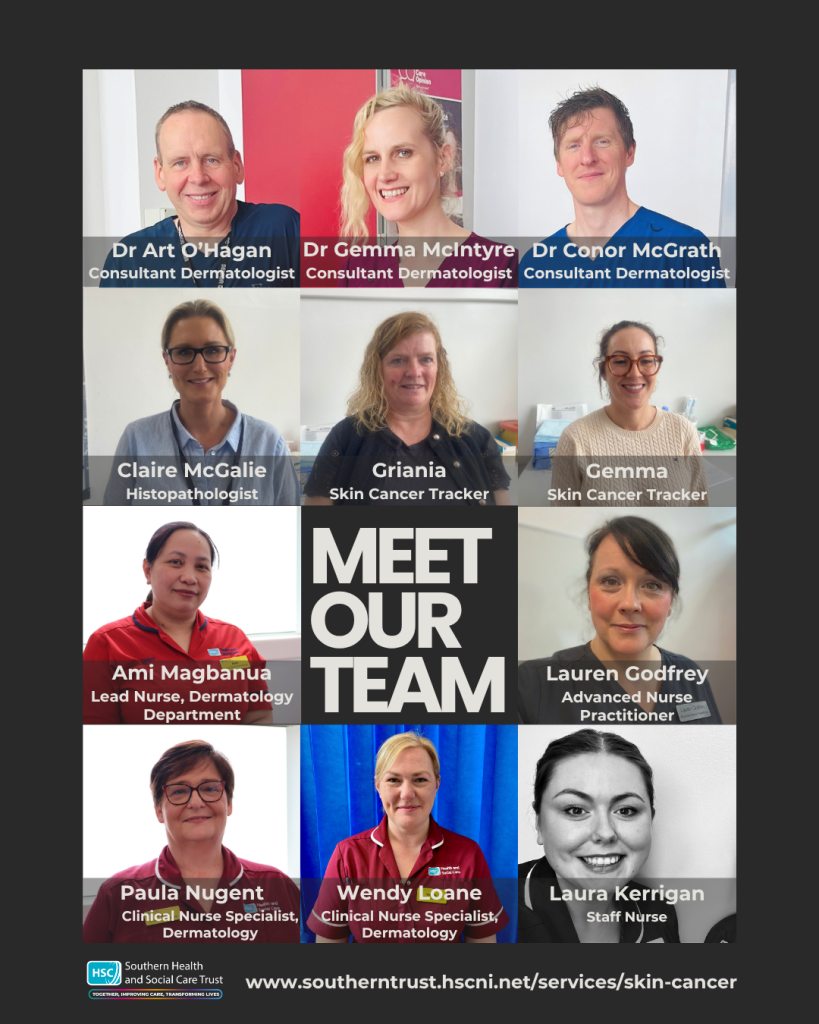
Meet our Team
Understanding UVA, UVB and UV Index
Sunlight is important for our overall health and wellbeing it helps provide our bodies with vitamin D, supports bone health and promotes good mental health.
However, sunlight contains different types of ultraviolet (UV) rays that affect your skin. The two main types are UVA and UVB
UVA (“A” for Ageing)
- Penetrate deeply into the skin
- Cause skin ageing (wrinkles, sagging, age spots)
- Can pass through clouds and window glass
- Contribute to skin cancer risk
You are exposed to UVA rays all year round, even on cloudy days or indoors near windows.
UVB (“B” for Burning)
- Affect the outer layer of the skin
- Cause sunburn
- Strongest during spring and summer and in the middle of the day
- Play the main role in the development of skin cancer
UVB rays are more intense when the sun is strongest (usually between 11am and 3pm)
We often don’t realise when our skin is being damaged, so it is important to be UV aware in order to stay safe in the sun.
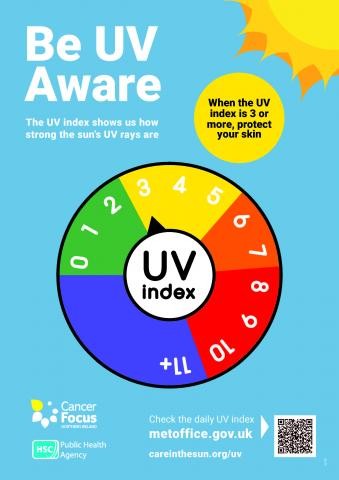
Check out our UV index to find out how strong the sun’s rays are and be sure to protect your skin when the index is 3 or more.
You can check the UV index daily via the weather app on a smartphone
Hear what our Advanced Nurse Practitioner has to say about UV rays in the video below.
Why Protecting Your Skin Matters Matters
Both UVA and UVB rays can damage your skin and increase your risk of skin cancer. Did you know UV damage to your skin cells can start before your skin tans or burns That’s why it’s important to protect yourself from both types.
It’s important to protect your skin from harmful UV rays even if it is cool, breezy or cloudy.
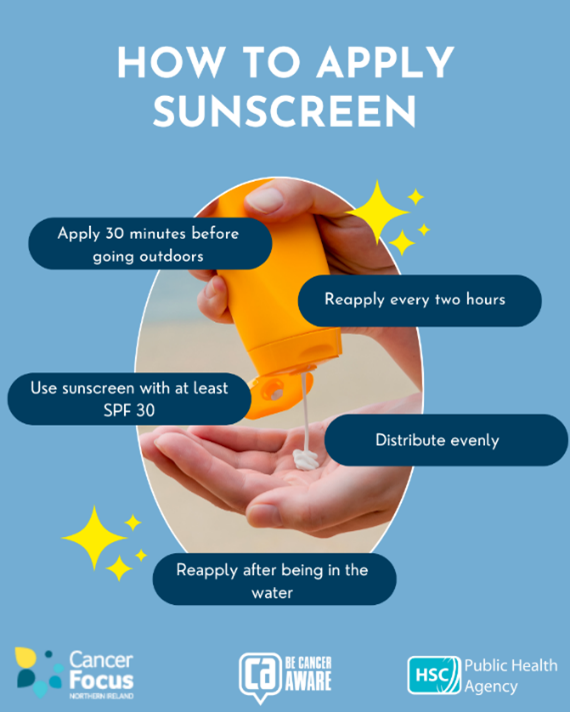
For a good level of protection, choose a sunscreen that offers protection from both UVA and UVB radiation. You should also choose a sunscreen that has at least SPF 30 and a UVA rating of 4 – 5 stars.
Apply generously and be sure to reapply (every 2 hours) throughout the day, aim for 6 teaspoons for full body coverage.
 |
 |
Checking Moles
Sunbed and tanning risks
There is no safe limit for exposure to UV radiation from sunbeds. Research shows people who have used a sunbed at least once at any stage in their life have a 20% higher risk of developing melanoma skin cancer, than people who have never used a sunbed. Avoid using sunbeds.
Hear what Paula Nugent, one of our Skin Cancer Clinical Nurse Specialists has to say about tanning in the video below.
Melanotan
Summary and take away messages
- Be UV aware access the UV level daily from the weather App on a smartphone
- Protect your skin by apply sunscreen, seeking shade during peak UV hours (11am -3pm), wearing a hat and sun glasses and stay hydrated
- Keep a check on your skin and if concerned contact GP or speak with a pharmacist for more advice and support
- No safe limit for exposure to UV radiation from sunbeds – Just don’t use sunbeds
Helpful Resources
Sun, UV and cancer | Cancer Research UK
Cancer Focus – Care In the Sun
British association of Dermatologists – How to reduce the risk of developing skin cancer
Melanoma Charity for Professionals, Patients & Public – Melanoma Focus
Skcin – The Karen Clifford Melanoma & Skin Cancer Charity
Know Your Skin and Nail Leaflet melanomafocus.org
Sun Awareness – British Association of Dermatologists Patient Hub